Silence the noise.
SOC Alert Triage & Automated Investigation
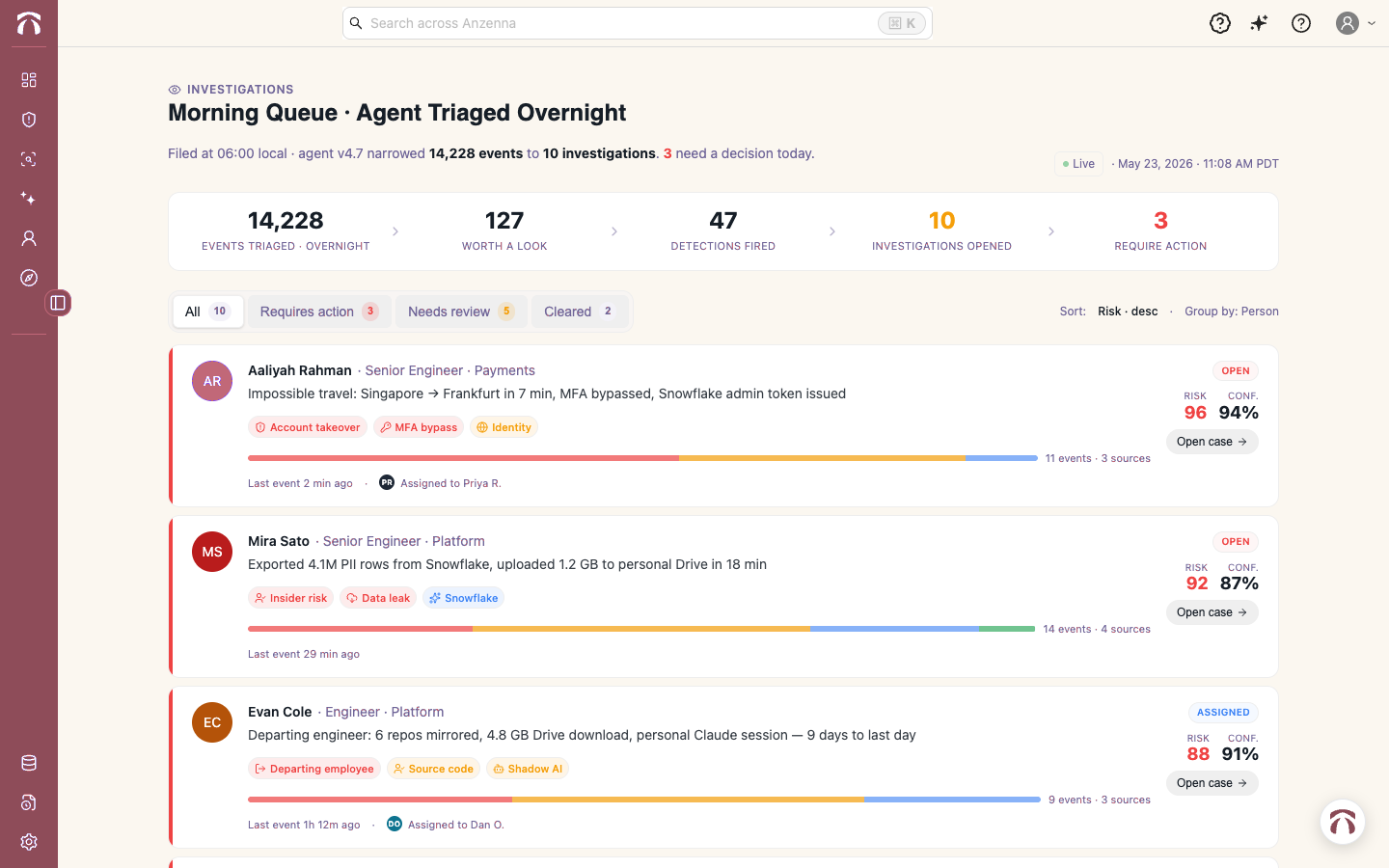
Your eight-person SOC shouldn't be triaging 14,000 alerts a week. With Investigation Agents drafting case files, that number drops to ninety, and every one deserves a decision.

Alert fatigue is a design failure.
The modern SOC is a queue of alerts no one person can hold in their head. Analysts pivot across seven tools to understand one event. Burnout is the predictable outcome, and real threats slip through in the noise.
The flood is a symptom. The architecture is the cause.
Alert overload isn't the disease. It's what you feel when a SOC built for a slower, smaller, more static world meets an environment that is none of those things. Three cracks sit underneath it.
The data scattered
The SIEM bargain broke. As ingest costs climbed, telemetry spread to data lakes, point tools, and homegrown stores. The signal you need now lives across systems that were never meant to talk.
The detections decayed
Hand-written rules assume a frozen environment. The moment context shifts, with a new app, a reorg, or a migration, they drift into false positives or quiet blind spots no one is watching.
The investigations stalled
Attacks move at machine speed; manual triage does not. Between alert volume, skill gaps, and stretched MSSPs, most SOCs can't open every alert, let alone investigate it.
Institutional memory, made queryable.
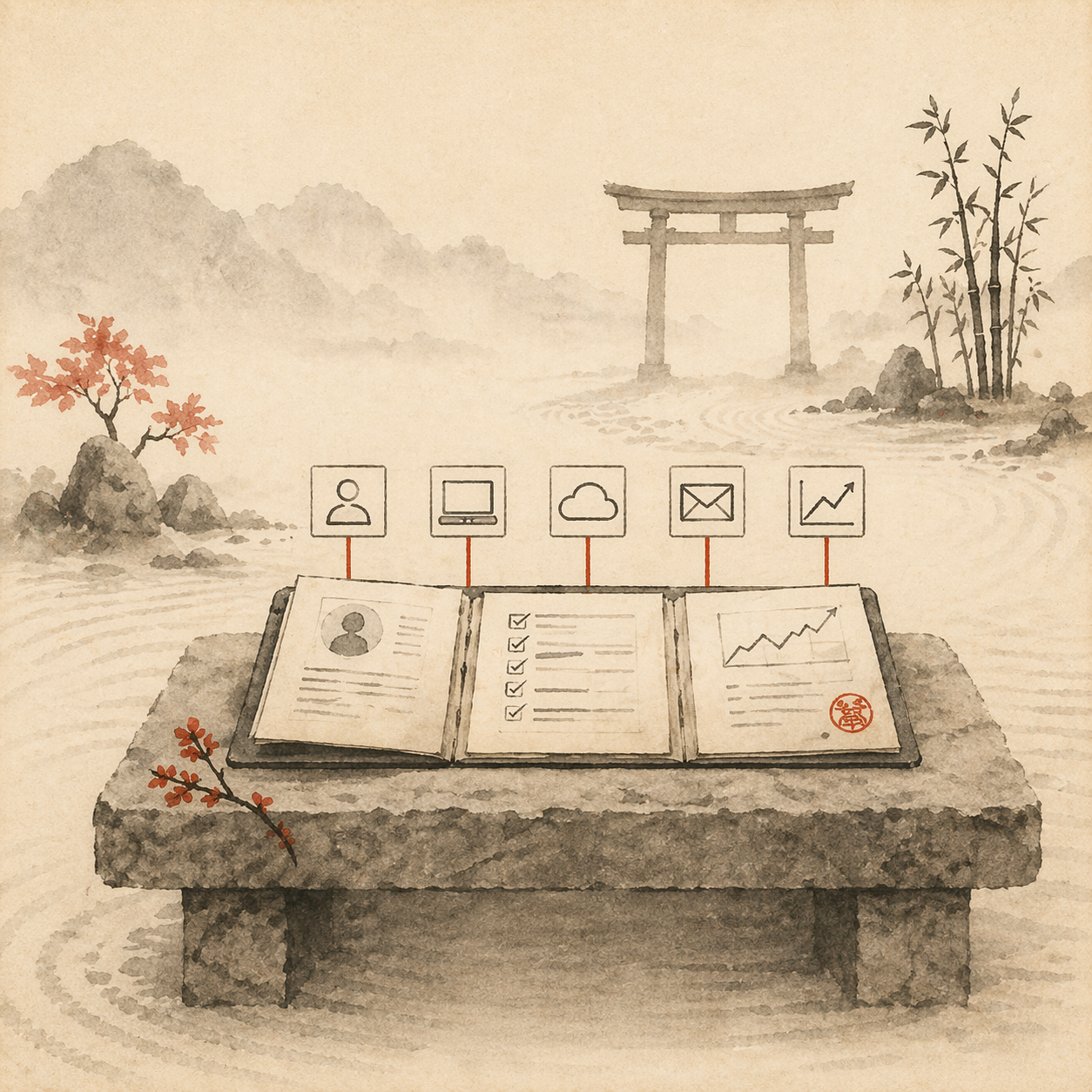
In its first hours, Anzenna reads your environment and builds a security context graph: a living map of people, systems, ownership, and every decision your team has made. It is the knowledge source the Investigation Agents reason over, and it never stops growing.
Everything analysts actually use
Identity, endpoint, SaaS, and email, alongside tickets, SOPs, ownership, and the history of past investigations. Structured tables and messy documents alike.
Data becomes memory
Anzenna connects the dots, turning raw records into memories: a canonical answer to the questions every investigation ends up asking.
Your organizational brain
A living map of how your environment really works: who owns what, what's normal for whom, how cases like this were closed before.
Reasoning, fed back in
Agents pull from the graph to investigate in minutes. Every case they close flows back, sharpening the memory for the next one.
How we see it.
Auto-triaged case files
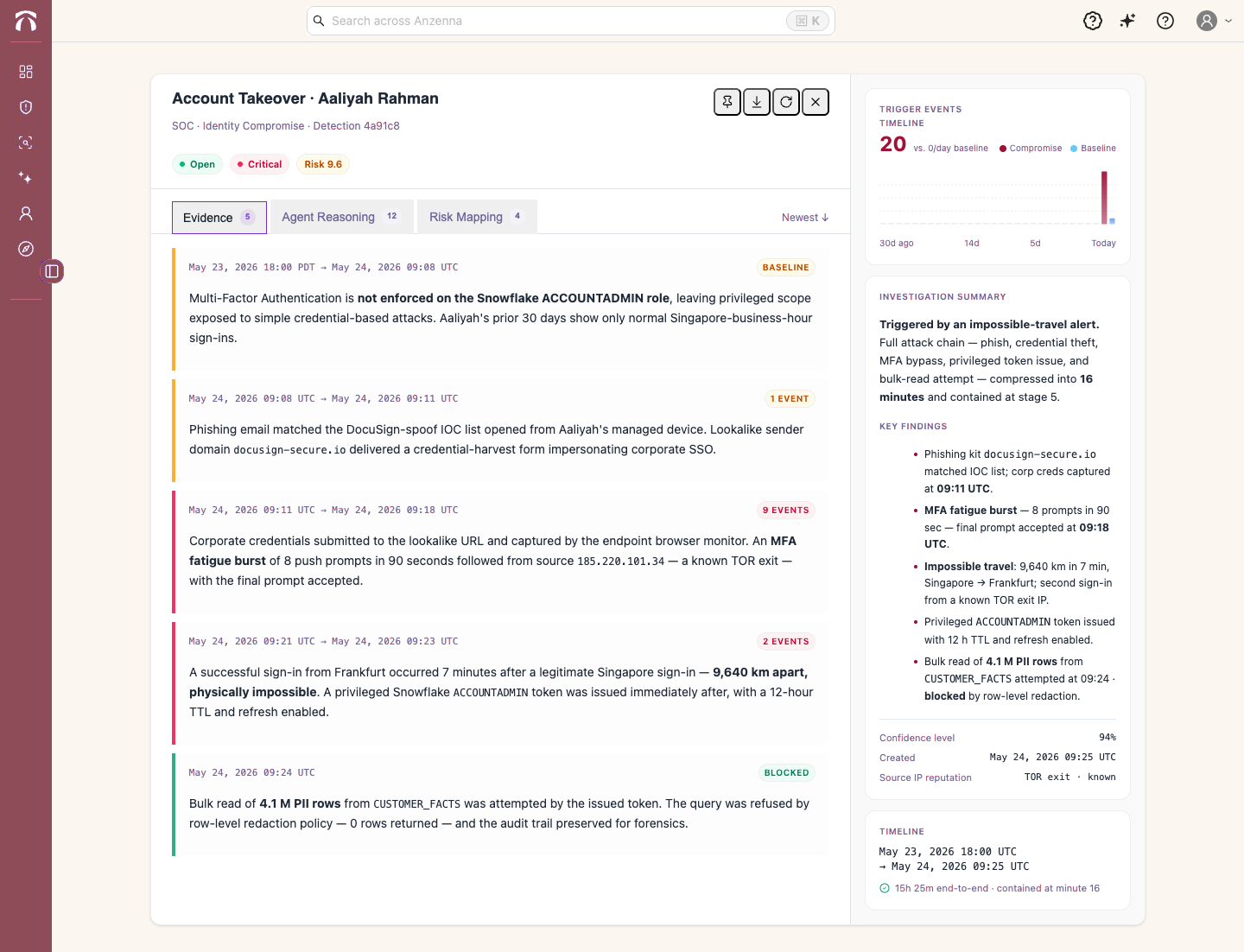
The Investigation Agent reads every signal: identity, endpoint, SaaS, email, and behavior, and writes the case before you open it: narrative, evidence, confidence, recommendation.

Peer-grouped severity
Every alert is weighted against the peer-group baseline. An engineer pulling their own repos is normal. An engineer pulling every repo in the org is not. Anzenna knows the difference.
One reviewable queue
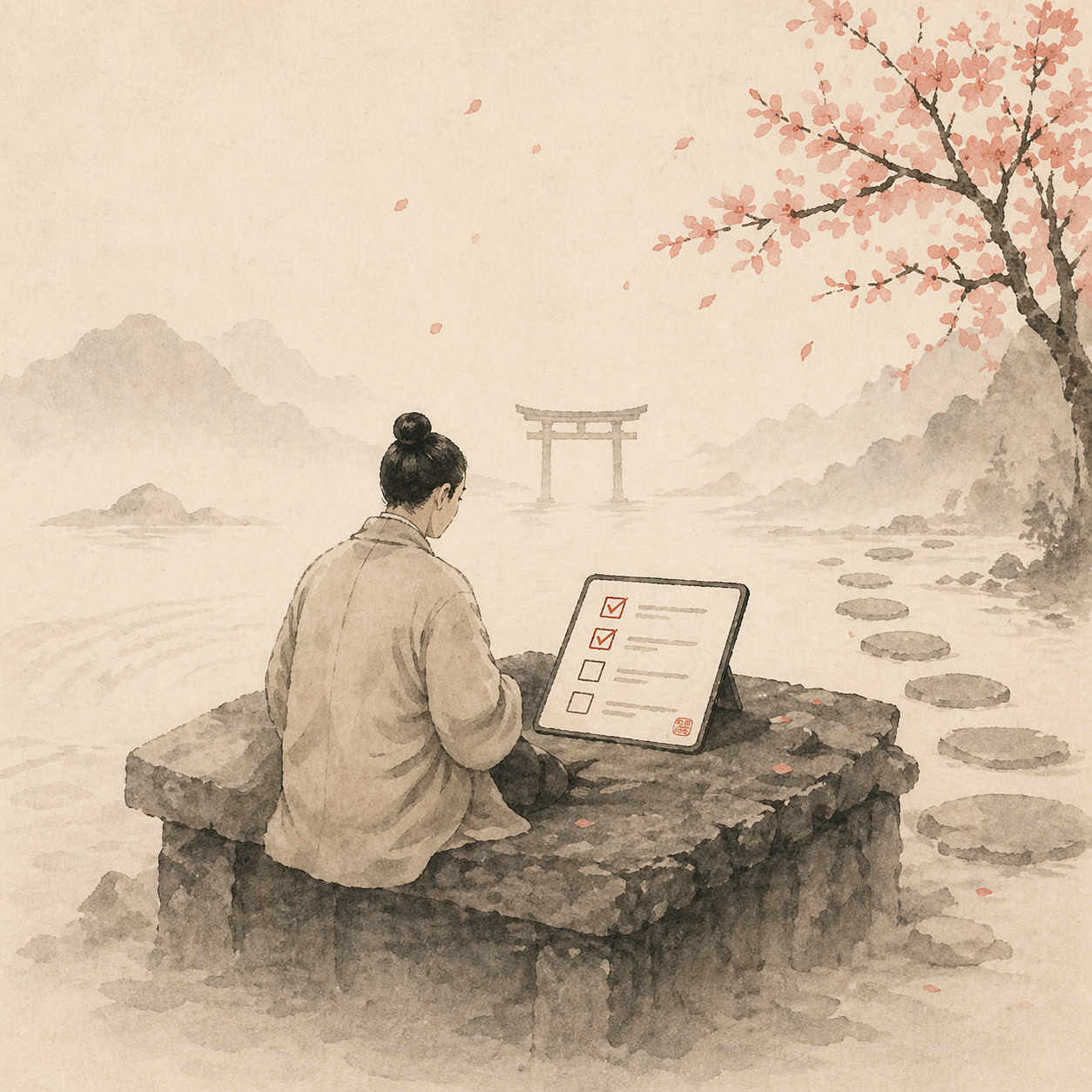
Analysts start their morning with a short list of cases, each inspectable, each auditable, each closeable in minutes.
When your best analyst leaves, their judgment stays.
Your most experienced analysts hold the tribal knowledge that actually runs the SOC: which alerts matter, which apps are known exceptions, how each kind of case really gets closed. When they leave, that institutional memory usually walks out with them. Anzenna captures it in a living security context graph, so your team's capability compounds instead of resetting to zero.
Tribal knowledge, written down
Every closed case feeds the context graph: the evidence weighed, the exceptions that apply, the decision your team reached and the reasoning behind it.
The next case already knows
When a familiar pattern returns, the Investigation Agent draws on your institutional memory, how your team handled it last time, rather than a blank slate.
Onboarding from day one
New analysts inherit the context graph and every accumulated call. Capability builds with each closed case instead of resetting with every departure.
The line your board wants to see.
Security spend is hard to defend with anecdotes. Anzenna turns the queue into a trend you can take upstairs: coverage climbing, response time falling, the backlog disappearing, month over month, in numbers leadership understands.
My team isn't firefighting anymore. They're investigating, deciding, resting. That's what security should feel like.
Your stack, unchanged.
Fifteen-minute install. Read-only by default. No agents on endpoints.









SOC triage automation, at a glance.
- Automates SOC alert triage: de-duplicates and correlates across identity, endpoint and SaaS.
- Around 90% fewer alerts reach analysts; each investigation arrives as a ready-to-review case file.
- Sits on top of your SIEM, agentless and live in minutes.
SOC triage automation, answered.
How does Anzenna automate SOC triage?
Its investigation agent de-duplicates and correlates alerts across identity, endpoint and SaaS, gathers the surrounding evidence, and hands the analyst one prioritized case file at a time, so triage becomes a decision, not a search.
Does Anzenna replace my SIEM or SOAR?
No. It sits on top of them, consuming their alerts and adding the correlation and reasoning that turn raw alerts into ready-to-review investigations. It integrates rather than rips and replaces.
How much alert noise does it cut?
Across production deployments, roughly 90% fewer alerts reach an analyst after correlation, because duplicates and low-signal events are resolved before they ever hit the queue.
What does an investigation output look like?
A transparent case file, trigger, correlated signals, identity posture, a plain-language verdict and one-click remediation, with a full audit trail a CISO can defend.
Is it agentless?
Yes. Anzenna connects through APIs across your stack, with nothing to install on endpoints.
Triage is where the day starts, and it feeds the same graph as insider risk, UEBA, identity, and data. See the security operations overview →
Ready to see it on your data?
Thirty minutes. Your environment, not our slides.
Request a walkthrough ↗